
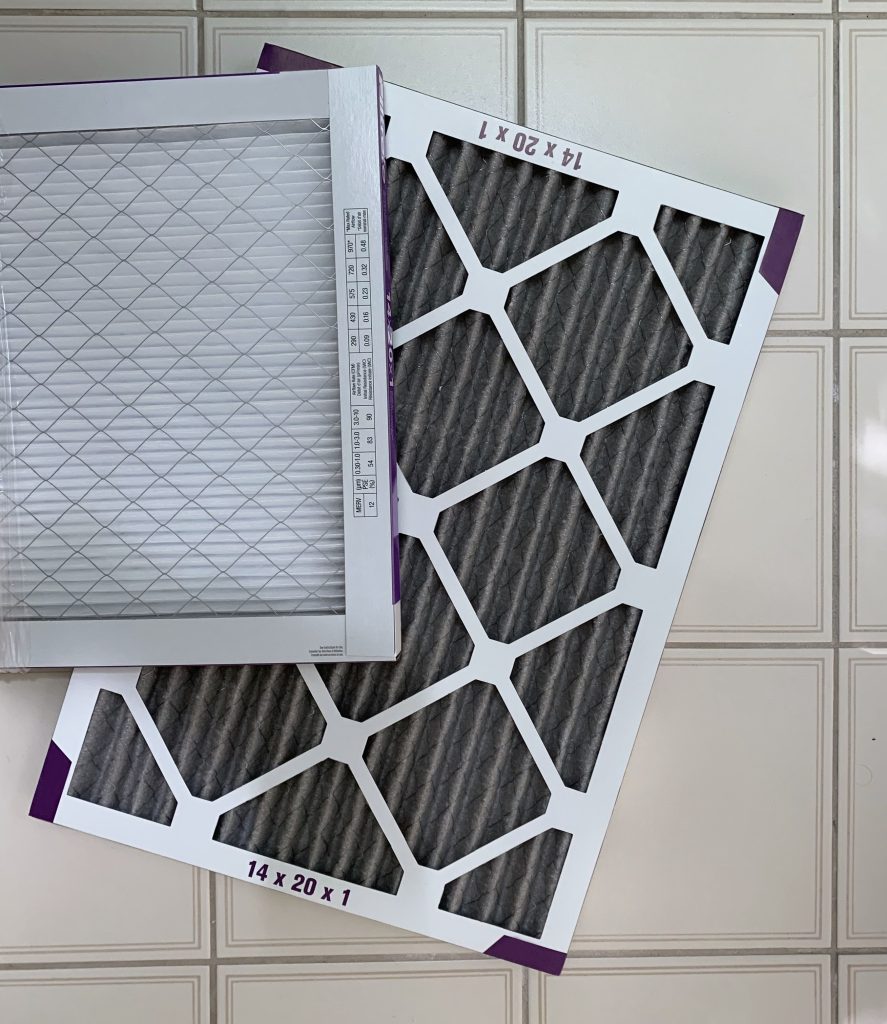
Many homeowners in Ontario view the furnace filter as a simple mesh screen that keeps dust out of the air. While it does help with air quality, its primary job is actually to protect the expensive internal components of your heating and cooling system. When that filter becomes clogged with dust, pet hair, and debris, your furnace has to work much harder to pull in air.
This extra strain leads to two major problems: higher monthly energy bills and a shorter lifespan for your equipment. If you have noticed that your home in Ingersoll or London feels unevenly heated, or if your utility costs are climbing without a change in weather, the culprit is often a neglected filter. Understanding the right schedule for your specific home setup is the first step toward a more comfortable and affordable winter.
Factors That Determine Your Filter Schedule
No two homes are identical when it comes to air particulates. A single person living in a brand-new condo in Woodstock will have different needs than a family of five with two golden retrievers in an older London home. You should evaluate your lifestyle to decide if you fall into the 30-day or 90-day replacement category.
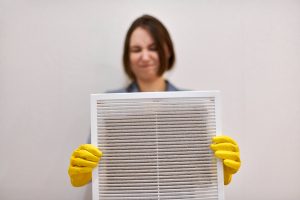
The Impact of Pets and Dander
Pets are wonderful companions but they are the leading cause of “suffocated” HVAC systems. Fur and dander are heavy particles that settle quickly into filter pleats. If you have shedding animals, you should check your filter every three weeks. Even if the filter is rated for three months, the physical blockage from pet hair can trigger a system shutdown long before the ninety-day mark.
Allergies and Respiratory Health
For those dealing with asthma or seasonal allergies, the furnace filter acts as a frontline defense. A dirty filter doesn’t just block air; it eventually starts releasing trapped particles back into your living space. To maintain a healthy environment, frequent changes are non-negotiable. You can learn more about creating the freshest and cleanest air in your home through proper ventilation and filtration.
Home Renovations and Construction
If you are currently renovating your kitchen or finishing a basement in London, your furnace is likely inhaling drywall dust and sawdust. These fine particles are notorious for clogging filters in a matter of days. During any construction project, it is best to check the filter weekly and replace it as soon as a layer of white dust is visible on the surface.
Understanding the High Efficiency Furnace Filter
If your home is equipped with a media cabinet, you likely use a high efficiency furnace filter. These are much thicker than the standard 1-inch models found at most hardware stores, usually measuring between 4 and 5 inches in depth. Because they have more surface area—achieved through deep pleats—they can trap significantly more debris without restricting airflow as quickly.
Under normal conditions, a high efficiency furnace filter can last between six months and a full year. However, “high efficiency” does not mean “maintenance-free.” We still recommend a mid-season check to ensure no unexpected moisture or heavy dust buildup has occurred. These filters are excellent for homeowners who want professional-grade filtration with less frequent trips to the utility room.
The Financial Cost of a Dirty Filter
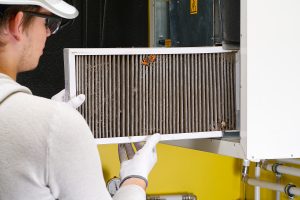
It is easy to forget a $20 filter, but it is hard to ignore a $500 repair bill. When a filter is clogged, the blower motor must spin faster and hotter to move air through the house. This results in “short cycling,” where the furnace turns on and off rapidly because it is overheating internally.
Over time, this heat stresses the heat exchanger, which is the most expensive part to replace. By staying on top of your filter schedule, you are essentially buying insurance for your HVAC system. A clean filter ensures that the air moves freely, keeping the internal temperature of the furnace within safe limits and keeping your London or Woodstock home at a consistent temperature.
Signs It Is Time for a Change
Sometimes the calendar isn’t the best indicator. Your HVAC system will often tell you when it is struggling. Pay attention to these common symptoms:
- Visible Dust Near Vents: If you see “fuzz” or grey blankets of dust around your supply registers, your filter is likely full and bypassing air.
- The Smell of Burning Dust: When you first turn the heat on and the smell persists for more than an hour, it may be dust trapped in the system due to a failed filter.
- Increased Run Times: If your furnace seems to be running constantly but the house never feels quite warm enough, restricted airflow is the likely cause.
- Physical Damage: If you pull the filter out and it looks “sucked in” or warped, the pressure from the blower motor is trying to pull air through a solid wall of dirt.
Improving Your Home Comfort
While the filter is a great start, it is only one piece of the puzzle. Total home comfort involves balancing humidity and removing microscopic pollutants that standard filters might miss. We recommend looking into indoor air quality solutions like UV lights or HEPA bypass systems if your family continues to struggle with allergies despite frequent filter changes.
Maintaining your system is a year-round commitment. Whether it is the dead of winter in Ingersoll or a humid summer in London, your HVAC system needs to breathe. For more tips on keeping your system running at peak performance, visit our main Hometown Heating & Cooling page for service guides and local expert advice.
FAQs
Can a dirty furnace filter cause my AC to freeze? Yes. In the summer, your air conditioner needs constant airflow to keep the evaporator coil from getting too cold. A clogged filter stops that air, causing condensation on the coil to turn into ice, which eventually shuts down the entire system.
What is a MERV rating and which one should I choose? MERV stands for Minimum Efficiency Reporting Value. For most Ontario homes, a MERV 8 to MERV 11 is the sweet spot. Anything higher than a MERV 13 may be too restrictive for older residential blower motors, causing them to burn out prematurely.
Why is my furnace filter turning black? If you aren’t using a carbon filter, a black filter usually indicates the presence of soot. This can come from burning candles, a gas fireplace issue, or, in rare cases, a serious combustion problem with your furnace. If you see black soot, contact a professional immediately.
Does a clean filter really lower energy bills? Yes. Natural Resources Canada suggests that dirty filters are a leading cause of energy waste. A clean filter allows the motor to operate at its designed wattage rather than overworking to overcome the resistance of a clogged mesh.