
Home heating technology has changed faster in the last few years than in the previous three decades. If you live in London, Woodstock, or Ingersoll, you have likely noticed neighbours swapping out their traditional air conditioners for sleek, quiet heat pumps. While the technology seems new to many, it is actually a proven method for maintaining year-round comfort while slashing energy consumption.
Understanding the transition to this technology starts with recognizing your specific home needs. Most homeowners want three things: reliability during a Canadian winter, lower monthly bills, and a system that does not require constant tinkering. Heat pumps check all these boxes when installed by professionals who understand the local climate patterns of Southwestern Ontario.
Understanding How a Heat Pump Actually Works
The name “heat pump” can be a bit confusing because these units do much more than just heat. Think of a heat pump as a heat transporter. In the summer, it acts exactly like a high-end air conditioner. It takes the heat from inside your living room and pumps it outside. In the winter, the process reverses. It finds thermal energy in the outdoor air and moves it inside.
Even when it feels freezing outside, there is still heat energy present in the atmosphere. Modern cold-climate heat pumps are engineered to find that energy even at very low temperatures. This process is far more efficient than burning natural gas or using electric resistance coils because moving heat requires much less power than creating it from scratch.
Solving the Big Freeze Anxiety: Winter Reliability
A common worry for Canadian homeowners is whether a heat pump can handle a -20°C night in February. This “Big Freeze” anxiety is the biggest hurdle for many. Older models from twenty years ago struggled in deep freezes, but 2026 technology is vastly different. Today’s cold-climate models are designed specifically for northern latitudes.
These systems use variable-speed compressors that adjust their output based on the weather. Instead of just being “on” or “off,” they ramp up or down to maintain a steady temperature. This prevents the cold drafts often associated with older heating systems. You get a consistent stream of warmth rather than the fluctuating temperatures of a traditional furnace cycle.
The Hybrid Heating Strategy
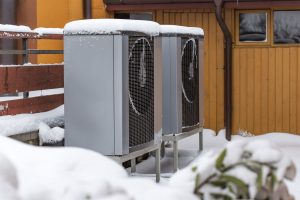
For those who want absolute peace of mind, the hybrid heating approach is the gold standard. We often pair a heat pump with a high-efficiency gas furnace. This is known as a dual-fuel system. The heat pump handles the heating for about 85% to 90% of the year. When the temperature drops below a certain point, usually around -15°C, the system automatically switches to the gas furnace.
This setup ensures you never have to worry about the “Big Freeze” while still reaping the rewards of high efficiency for the vast majority of the season. It provides a safety net that many families find comforting during their first experience with heat pump technology. It also allows you to choose the cheapest fuel source based on current utility rates.
Breaking Down Heat Pump vs Furnace Cost
When looking at the heat pump vs furnace cost, it is essential to look at the total picture. A heat pump usually has a higher upfront price tag than a standard furnace or a basic air conditioner. However, you are essentially buying two systems in one. You are getting a world-class heater and a high-performance cooling system in a single outdoor unit.
Financial relief often comes in the form of government and utility rebates. In Canada, various programs offer thousands of dollars to homeowners who switch to high-efficiency heat pumps. These incentives are designed to lower the barrier to entry and make the “sticker shock” much more manageable. When you factor in these rebates, the price gap between a traditional setup and a heat pump narrows significantly.
Long Term Savings and Energy Efficiency
The real magic happens when you look at your monthly utility statements. Because heat pumps are up to 300% efficient, they use a fraction of the energy required by electric baseboards or older furnaces. Homeowners often see a dramatic drop in their total energy spend over the course of a year.
Maintenance costs also tend to be lower over time. Because you are maintaining one primary system instead of two separate ones, your annual service visits are more streamlined. A well-maintained heat pump can last 15 years or more, providing a solid return on investment for as long as you live in the home.
Overcoming the Unknown Factor
Many people hesitate because they simply don’t know anyone who has one yet. This “Unknown Factor” leads to myths about noise and complexity. In reality, modern heat pumps are remarkably quiet. They often run at decibel levels lower than a standard conversation. You won’t have a loud, rattling box outside your bedroom window.
The transition is actually quite simple for the homeowner. Your thermostat looks the same and functions the same way. The only difference you notice is the lack of a “burning” smell when the heat kicks on for the first time in the autumn and a much more stable indoor environment. You can read about a real-world transition in this detailed account of life with a heat pump.
Improved Indoor Air Quality and Comfort
Beyond just temperature, heat pumps excel at air circulation. Because they run for longer periods at lower speeds, they keep air moving through your filters more consistently. This leads to fewer dust particles and allergens lingering in your rooms. When paired with modern indoor air quality solutions, the difference in breathe-ability is noticeable.
Humidity control is another hidden benefit. During the summer, the heat pump’s dehumidification capabilities are superior to many entry-level air conditioners. It pulls moisture out of the air more effectively, making a 25°C day feel much more comfortable. No more “sticky” feeling inside your house during an Ontario heatwave.

Environmental Impact and Sustainability
Choosing a heat pump is one of the single most impactful decisions a homeowner can make for the environment. By moving away from burning fossil fuels on-site, you significantly reduce your home’s carbon footprint. As the Ontario power grid continues to move toward cleaner energy sources, your heating and cooling becomes greener every year.
Sustainability does not have to mean sacrifice. You are getting better comfort and lower bills while doing something positive for the planet. It is a rare “win-win” in the world of home improvement. Many buyers in the current real estate market are also looking for homes with “future-proofed” HVAC systems, potentially increasing your property value.
Is a Heat Pump Right for You?
Deciding to switch usually depends on the age of your current equipment. If your air conditioner is over 12 years old and starting to struggle, that is the perfect time to consider a heat pump. Instead of buying another standard AC, you can upgrade to a system that assists with your heating as well.
It is also an ideal choice for homes currently using electric baseboards, oil, or propane. These fuels are significantly more expensive than the electricity used by a heat pump. In these cases, the monthly savings are so high that the system often pays for itself much faster than expected.
Conclusion and Next Steps
The world of home comfort is leaning heavily toward heat pump technology for good reason. The combination of efficiency, comfort, and environmental responsibility is hard to beat. While the initial cost and the change in technology can feel daunting, the long-term rewards are substantial.
At Hometown Heating and Cooling, we have spent years helping neighbours in our community find the right balance for their homes. We don’t believe in high-pressure sales. We believe in finding the system that fits your lifestyle and your budget. Whether you are in London, Woodstock, or Ingersoll, we are here to help you make sense of your options.
If you are ready to see how these benefits could work for your specific house, we invite you to visit our homepage to learn more about our team. We can provide a detailed assessment of your home and help you determine exactly how much you could save with a modern heat pump installation.
FAQs
How long do heat pumps last in the Canadian climate? Typically, a well-maintained heat pump lasts between 15 and 20 years. Regular annual maintenance ensures the components remain efficient even after harsh winters.
Can I keep my existing furnace if I install a heat pump? Yes. This is called a dual-fuel or hybrid system. The heat pump handles most of the work, and the furnace only kicks in during extreme cold.
Does a heat pump take up more space outside? Most modern heat pumps have a similar footprint to a standard air conditioner. Some “side-discharge” models are actually thinner and can fit in narrower walkways.
Is it true that heat pumps are noisy? No. Modern units are designed with insulated compressor blankets and advanced fan blades, making them significantly quieter than older air conditioners.