

Nothing ruins a Saturday evening faster than a grill that goes cold halfway through cooking. We have all been there. You have guests in the backyard and the steaks are seasoned. You turn the dial and realize the propane tank is empty. This “Propane Panic” is more than just an inconvenience. It is a recurring chore that involves heavy lifting and mid-meal hardware store runs.
In London, Woodstock, and Ingersoll, homeowners are looking for ways to make their outdoor spaces more functional. The most effective way to do this is through a permanent fuel source. By choosing a professional to handle your gas needs, you remove the guesswork from your next cookout. It is about creating a seamless transition from your indoor kitchen to your outdoor living space.
Ending the Frustration of the Propane Panic
The primary reason most people request a quote for this service is simple convenience. Dealing with 20-pound propane tanks is a hassle. They are bulky and they always seem to run out at the worst possible moment. A permanent line means you have an infinite supply of fuel ready whenever the mood to grill strikes.
This shift in how we use our backyards is becoming a standard in Ontario. People are spending more time at home and want their amenities to reflect that. A dedicated line allows you to focus on the food and your company rather than checking a gauge or worrying about a backup tank. It turns your grill into a reliable appliance just like your kitchen stove.
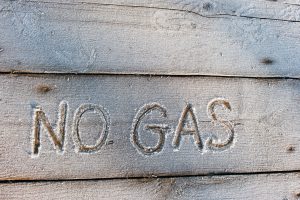
Natural Gas BBQ vs. Propane: The Real Savings
While convenience is the main draw, the financial benefits are substantial over time. Natural gas is significantly cheaper than propane when you look at the cost per BTU (British Thermal Unit). When you exchange a propane tank at a local station, you are paying a premium for the convenience of the portable container and the retail markup of the exchange service.
Natural gas is delivered directly to your home at a much lower utility rate. For frequent grillers, the savings on fuel can add up to hundreds of dollars over a few seasons. You also eliminate the “hidden cost” of propane which is the gas you waste when you exchange a tank that isn’t quite empty because you are afraid of it running out during your next meal.
Understanding the Gas Line Installation Cost
It is common to experience a bit of “Sticker Shock” when first looking at the gas line installation cost. A professional setup involves permits, high-quality materials, and specialized labour. However, this is a long-term investment in your property. Unlike a portable tank, a permanent gas line adds actual value to your home’s resale price.
The cost depends on the distance from your gas meter and the complexity of the run. Some lines go through the basement and out the side of the house while others require trenching for an island in the middle of the yard. When you weigh the one-time cost against years of cheaper fuel and zero lifting, the value becomes clear. Most homeowners find the system pays for itself in convenience alone within the first few years.

Professional Safety vs. The Risks of DIY Gas Work
The internet is full of “how-to” videos for almost every home project. However, gas work is the one area where you should never take a DIY approach. Safety fears are valid when dealing with pressurized flammable gas. A small mistake in a joint or a loose fitting can lead to dangerous leaks that put your family and home at risk.
Professional technicians use specific tools and testing procedures that the average homeowner does not have access to. We perform pressure tests to ensure every inch of the line is airtight before any gas is introduced. We also ensure the line is sized correctly for the appliances it will feed. A line that is too small will result in a grill that never gets hot enough to sear a steak properly.
TSSA Regulations and Insurance Compliance in Ontario
In Ontario, gas work is strictly regulated by the Technical Standards and Safety Authority (TSSA). Any person working on a gas line must be a licensed technician. This is not just a suggestion; it is a legal requirement. If a fire or explosion occurs and it is discovered that the gas work was performed by an unlicensed individual, your home insurance provider can legally deny your claim.
Working with a licensed team protects your investment. We provide the necessary documentation to show that your home is up to code. This is vital when it’s time to sell your house. Home inspectors look for the TSSA tags on gas lines. Having a safe BBQ gas line installation performed by a pro ensures your real estate transaction goes smoothly in the future.
Transforming Your Yard into a High-End Outdoor Kitchen
The trend of moving the kitchen outside has reached a new peak. In fact, many experts suggest that a fully equipped backyard is the most sought-after feature for modern home buyers. You can see this reflected in recent reports about the hottest trend in gardening being the outdoor kitchen.
A gas line is the foundation of this transformation. Once the line is in place, you are no longer limited to just a grill. You can add side burners, pizza ovens, and even outdoor refrigerators. It creates a space where the cook is part of the party rather than being stuck inside the house while everyone else is enjoying the patio.
Choosing the Right Equipment for Your Setup
Not every grill is compatible with every fuel source. If you currently have a propane grill, you often cannot simply plug it into a natural gas line. Most manufacturers offer conversion kits, but some grills are built exclusively for one or the other. When planning your upgrade, it is best to look at high-end equipment that is designed for permanent installation.
We often recommend high-quality Napoleon grills because they are built to withstand the Canadian climate. These units are engineered for high performance and offer easy-to-use natural gas connections. Choosing the right grill from the start ensures that your new gas line provides the best possible cooking experience without any technical hiccups.
The Hidden Value of Year-Round Outdoor Comfort
One of the best things about a natural gas line is its versatility. Once the main line is run from your meter, it is very easy to add “tees” for other appliances. Many of our customers in Woodstock and London choose to add a gas fire pit or a patio heater to their system. This extends the outdoor season by several weeks in both the spring and the autumn.
Propane patio heaters are notorious for eating through fuel. A single heater can burn through a tank in just a few evenings. With a natural gas connection, you can keep the patio warm for pennies an hour. It turns your backyard into a multi-season living room. You can enjoy a fire on a crisp October night without having to worry about the flame dying out because the tank is empty.
Preparing Your Home for Installation
The process of getting a line installed is straightforward. First, we determine the best path for the piping. We look for the most discreet route that keeps the line protected and out of sight. In some cases, we can run the pipe through joists in a finished basement to minimize the amount of visible conduit on the exterior of your home.
We also check your existing gas meter and home piping. We need to ensure that your home’s gas supply has enough volume to handle the added load of a large grill or a fire table. If your home has an older, smaller meter, we can help coordinate an upgrade with the utility company. This ensures that your furnace, water heater, and BBQ all have the fuel they need to run simultaneously.
Conclusion: Making the Switch to Permanent Fuel
Investing in a backyard gas line is about more than just cooking. It is about removing the friction from your daily life. It is about knowing that you can decide to grill at 6:00 PM and have a hot flame ready at 6:05 PM without any trips to the gas station. It is a one-time upgrade that offers a lifetime of convenience and safety.
At Hometown Heating and Cooling, we take pride in helping our neighbours build better homes. Our team of licensed gas fitters treats every installation with the same care we would use in our own backyards. We understand the local codes and we know exactly what it takes to get the job done right the first time.
If you are tired of the propane shuffle and ready for a more permanent solution, we are here to help. You can learn more about our process and our commitment to quality by checking out our professional gas line services. Let us help you take the first step toward the ultimate backyard upgrade today.
FAQs
How long does it take to install a BBQ gas line? Most standard installations are completed in four to six hours. This includes the pipe run, the hookup, and the final safety pressure test.
Can I use my existing propane BBQ with a natural gas line? Only if the manufacturer provides a certified conversion kit. Never attempt to use natural gas in a propane-only grill as it can cause dangerous flare-ups or damage to the unit.
Does the gas line need to be buried? It depends on the location of your grill. If the grill is on a deck against the house, the pipe is usually mounted to the exterior wall. If the grill is in the middle of the yard, the line must be buried at a specific depth required by Ontario code.
Will a gas line increase my home insurance? Generally, no. As long as the work is performed by a licensed professional and meets TSSA standards, it is considered a standard home improvement.
Do I need a permit for a BBQ gas line in Ontario? Yes, most municipalities require a permit and a final inspection to ensure the installation meets the Ontario Gas Code. We handle these details as part of our professional service.